About Copper Bonded Electrode
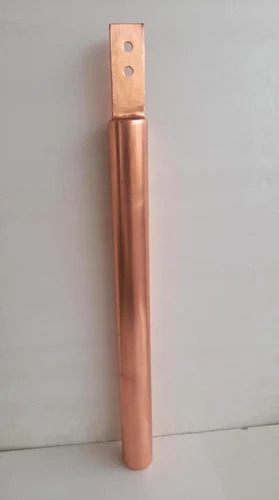
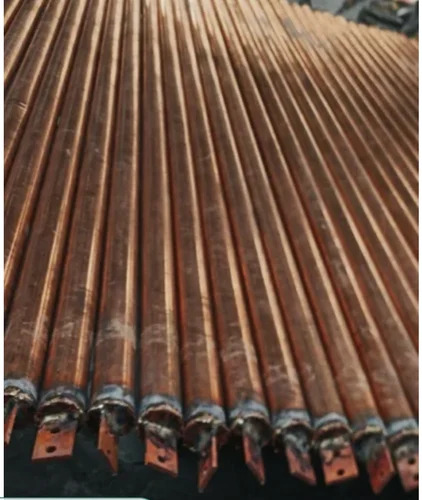
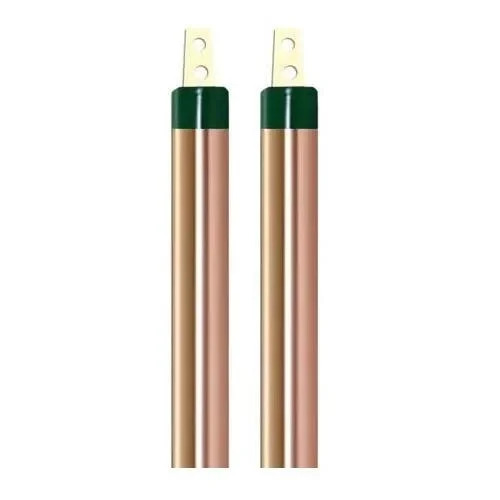
The Copper Bonded Electrode is a high-performance earthing solution designed to ensure safe and efficient dissipation of electrical fault currents into the ground. Manufactured using high-quality copper bonded material, it offers excellent conductivity, corrosion resistance, and long service life. With a 1.5-meter length and 50 mm diameter, this electrode is built using a strip-in-pipe technique for enhanced strength and reliability. It is widely used in industrial, commercial, and residential earthing systems. Made in India, this electrode ensures consistent grounding performance, protecting electrical installations and equipment from surges and lightning effects while maintaining stable system safety under various soil conditions.
FAQs
1. What is a Copper Bonded Electrode used for?
It is used for earthing and safely dissipating electrical fault currents into the ground.
2. What is the length and diameter of this electrode?
The electrode has a length of 1.5 meters and a diameter of 50 mm.
3. What manufacturing technique is used?
It is made using the strip-in-pipe technique for added strength and durability.
4. Is this electrode suitable for industrial use?
Yes, it is suitable for residential, commercial, and industrial earthing systems.
5. What material is used in this electrode?
It is made from high-quality copper bonded material for excellent conductivity.
Superior Corrosion ProtectionThe electrode's copper bonded surface delivers outstanding resistance against corrosion, vastly extending the product's service life. Its smooth polished finish minimizes moisture accumulation, ensuring reliable grounding year after year. This makes it especially suitable for challenging soil conditions across India.
Engineered for Exceptional ConductivityOur electrodes are manufactured with high-purity copper, using the advanced Strip-In Pipe technique. The thick copper coated layer maximizes electrical flow, making them ideal for safely dispersing fault currents and safeguarding both people and equipment against electrical hazards.
Effortless Installation and Precision ManufacturingWith a 1.5-meter length and 50 mm diameter, the electrodes are designed for quick and trouble-free installation. Precision engineering ensures tolerance control, providing predictable results whether used by manufacturers, suppliers, or traders in a variety of settings.
FAQ's of Copper Bonded Electrode:
Q: How is the copper bonded electrode installed for earthing applications?
A: Installation is straightforward due to the rod's design and dimensions. Users simply drive the electrode into the ground at the specified location, connecting it to the grounding system using standard clamps. Its manageable weight helps simplify the process.
Q: What advantages does the smooth polished finish provide?
A: A smooth polished finish reduces surface imperfections and helps prevent moisture buildup, increasing both corrosion resistance and electrical contact reliability over the electrode's lifespan.
Q: When should a high-purity copper bonded electrode be chosen over other materials?
A: High-purity copper bonded electrodes are ideal when you require superior electrical conductivity, high corrosion resistance, and strong mechanical strength-especially in environments prone to aggressive soil chemicals or moisture.
Q: Where can these electrodes be effectively used?
A: They are suitable for use in industrial, commercial, or residential grounding systems. Their robust design ensures effective performance across varied geographic and soil conditions in India.
Q: What is the process used for applying the copper layer on the electrode?
A: The Strip-In Pipe technique is utilized to achieve a uniform, adherent copper layer coating, which not only enhances conductivity but also provides evenly distributed corrosion protection.
Q: How does the copper bonded electrode benefit electrical safety systems?
A: By providing effective and consistent earth grounding, these electrodes help dissipate fault currents safely into the ground, protecting personnel, equipment, and infrastructure from electrical accidents.





 Send Inquiry


 Send Inquiry